Description
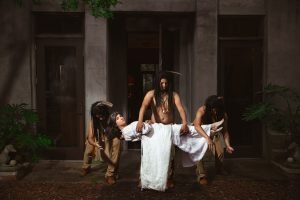
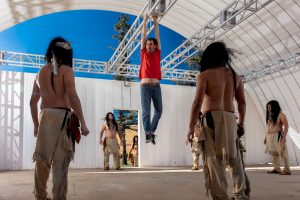
In the early colonial period, churches played a significant role in the lives of Native American communities on Long Island, often acting as centers for both spiritual guidance and cultural conflict. While they provided a place for community and a sense of belonging, they also became sites of forced assimilation, where Native Americans were pressured to abandon their traditional beliefs and adopt Christianity. This process of conversion was tied to colonial efforts to control and reshape indigenous cultures. For example, churches like St. David A.M.E. Zion Church in Eastville, Sag Harbor, were established by communities that included descendants of freed slaves, black whalers, and Native Americans. While they served as important spiritual and community hubs, they also symbolized the tension between the survival of indigenous cultures and the pressure to conform to European Christian ideals. Churches, thus, were both a source of resilience and a cause of harm, as they played a central role in the forced assimilation of Native people during this period.